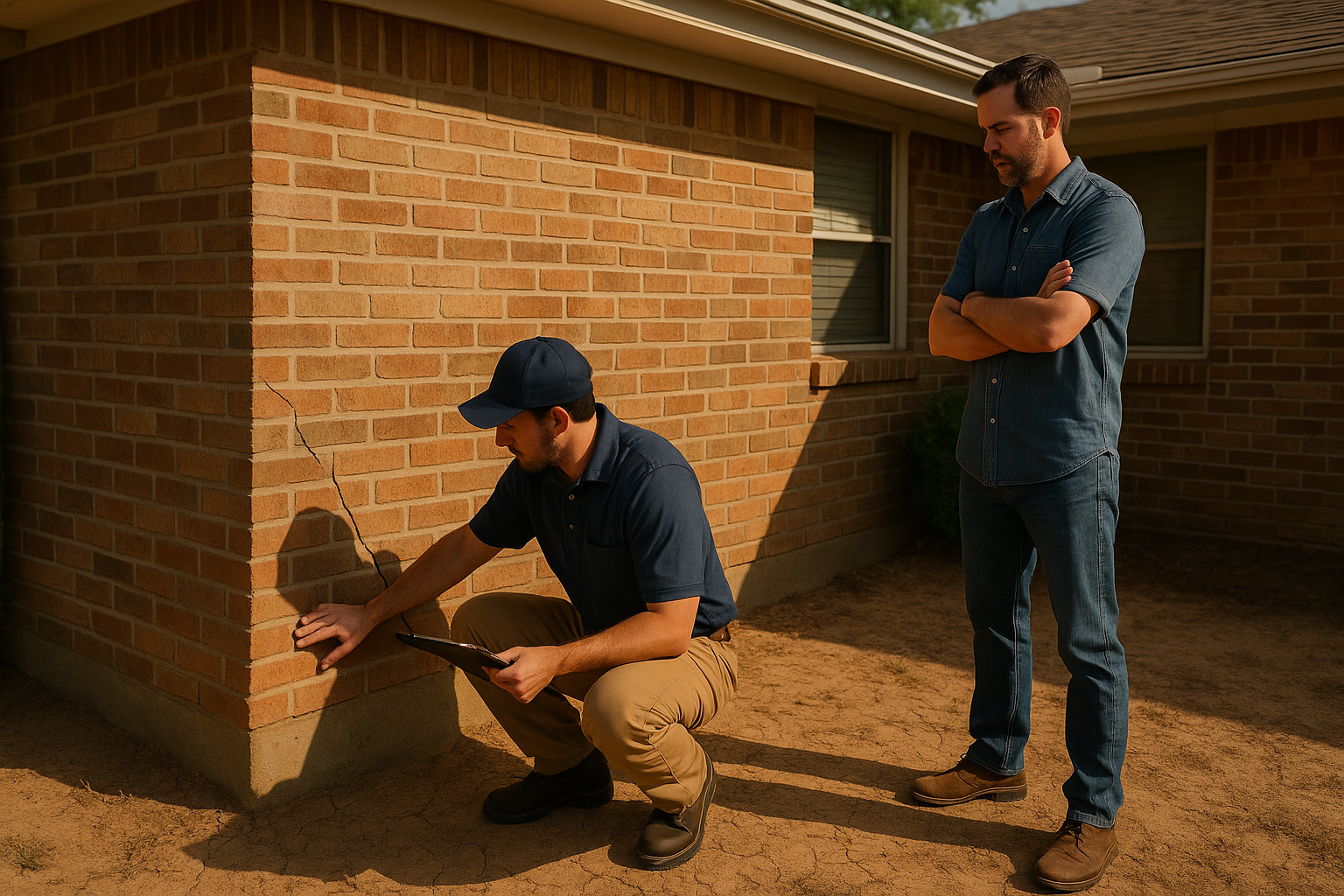
If you've lived in the DFW area for more than a hot minute, you've probably heard a neighbor mention their foundation guy, spotted a crack running along a brick exterior, or seen one of those bright orange "foundation repair" truck wraps parked down the street. Foundation issues are so common in North Texas that some locals treat them like a rite of passage. Buy a house here long enough and you'll eventually deal with it.
But here's what I want buyers and sellers to actually understand: foundation problems are not automatically a dealbreaker. They're not always catastrophic. And they are absolutely not something you should ignore, paper over, or try to hide. Whether you're purchasing your first home in Saginaw, selling a mid-century ranch in Haltom City, or upgrading to a newer build in Keller, understanding foundation issues in North Texas gives you real power at the negotiating table and long after closing day.
Let's talk about what's actually going on under your feet here in Tarrant County and why this region has one of the highest rates of foundation movement in the entire country.
Why North Texas Is Ground Zero for Foundation Problems
The soil underneath the DFW Metroplex is largely composed of expansive clay, specifically a type called Blackland Prairie clay, sometimes called "black gumbo" by locals who have watched it swallow fence posts whole. This clay is incredibly reactive to moisture. When it gets wet, it swells. When it dries out, it shrinks. That constant swell-and-shrink cycle puts enormous pressure on home foundations over time.
According to the Texas A&M AgriLife Extension, expansive soils affect more than 25 million acres of Texas land, with the DFW area sitting squarely in the most problematic zone. The U.S. Geological Survey has noted that Texas leads the nation in economic damage caused by expansive soils, with estimates exceeding $9 billion annually across the state when accounting for residential and commercial property damage combined.
Add in North Texas weather patterns, including drought years followed by heavy rainfall cycles, and you have a recipe for perpetual foundation stress. The severe drought that gripped the region in 2022 followed by wetter conditions in subsequent years caused widespread soil movement across Tarrant and Dallas counties. Foundation repair companies across the Metroplex reported a significant surge in service calls during that period, with some estimating backlog times of several months just to get an inspection scheduled.
The Two Main Foundation Types and How They Hold Up Here
Most homes in the Fort Worth area sit on one of two foundation types: a pier and beam foundation or a post-tension concrete slab. Each has its own quirks when it comes to North Texas soil movement.
Pier and beam foundations are more common in older homes, particularly those built before the 1960s. They sit elevated off the ground on concrete piers with a crawl space underneath. The advantage is that repairs are often more accessible and less expensive. The downside is that wood beams can rot or warp over time, and if the piers settle unevenly, you'll feel it as sloping or bouncy floors.
Post-tension concrete slabs became the dominant construction method across DFW starting in the late 1970s. Steel cables are tensioned through the slab to give it strength. These slabs are designed to flex slightly with soil movement rather than crack rigidly. However, when movement is severe enough, even post-tension slabs develop cracks, and cutting into one for repairs requires specialized knowledge because severing a cable is a serious problem.
Under the Texas Property Code and TREC's Seller's Disclosure Notice (OP-H), sellers are legally required to disclose any known foundation defects, prior repairs, and structural issues to buyers. This is not optional. Failure to disclose known material defects can expose a seller to legal liability well after closing. If you're a seller, be honest. If you're a buyer, read that disclosure carefully and don't skip the inspection.
How to Spot the Warning Signs
Some foundation movement is cosmetic and minor. Other signs point to something more serious happening beneath the slab. Knowing the difference can save you from either panicking unnecessarily or walking into a money pit with your eyes wide shut.
Signs that may indicate active or significant foundation movement:
Diagonal cracks running from the corners of doors and windows are one of the most telling indicators. These happen because the corners of openings are stress points when a slab shifts. Stair-step cracks in brick mortar joints are another classic North Texas red flag. Doors and windows that suddenly stick, won't latch, or have visible gaps at the top or bottom corners suggest the frame has racked out of square due to movement beneath it.
Interior drywall cracks, especially those that run diagonally or appear at ceiling-to-wall junctions, deserve a closer look. Gaps between the wall and ceiling, or visible separation between baseboards and the floor, can also indicate settling. Outside, look for separation between a chimney and the main structure, gaps where the brick veneer meets the eave, or visible tilting of the home's exterior walls.
Signs that are usually cosmetic: Small hairline cracks in drywall that run vertically or horizontally are common in any home and often result from normal seasonal movement or drywall shrinkage. A single small crack in a garage slab that hasn't moved in years may be nothing more than normal concrete curing. Context and history matter enormously here, which is exactly why you need a qualified inspector.
What a Foundation Inspection Actually Involves
A proper foundation inspection in Texas goes beyond someone walking around and eyeballing cracks. A licensed structural engineer or a certified foundation contractor will take elevation readings throughout the home using a tool called a Zip-Level or a manometer to measure how much the slab has moved from its original plane. A differential of more than about 1 inch across the home is generally considered significant and warrants repair. Some engineers use a threshold of 1.5 inches depending on the size and age of the home.
The inspector will also look at the site drainage, grading around the home, and the condition of any existing repairs. Tree proximity matters a lot here. Oak trees, in particular, have extensive root systems that pull enormous amounts of moisture from the soil, creating localized drying and shrinking directly under or near a foundation.
For buyers, I always recommend paying for an independent structural engineer's report rather than relying solely on the free inspection offered by a foundation repair company. Repair companies are not necessarily dishonest, but they have a financial interest in recommending repairs. An independent engineer's opinion, which typically costs between $400 and $800 in the DFW area, gives you an unbiased assessment.
Buyer Finds Foundation Cracks on a Westworth Village Home — What Happened Next
How Much Do Foundation Repairs Cost in DFW?
Repair costs vary widely depending on the severity of the movement, the size of the home, the access available, and the method used. The most common repair method in North Texas is pressed concrete or steel pier installation, where piers are driven deep into the soil past the reactive clay layer to reach more stable ground. Another method uses drilled bell-bottom piers. Some contractors offer foam injection for minor settling, though that's considered a less permanent solution by most engineers.
| Repair Type | Typical Cost Range (DFW) | Best For | Durability |
|---|---|---|---|
| Pressed Concrete Piers | $1,200 – $1,600 per pier | Slab foundations, moderate settling | Good; may require additional piers over time |
| Steel Push Piers | $1,500 – $2,500 per pier | Heavier structures, severe settling | Very good; deeper reach to bedrock |
| Drilled Bell-Bottom Piers | $2,000 – $3,500 per pier | New construction, engineered repairs | Excellent; most stable option |
| Foam Injection (Polyurethane) | $500 – $2,500 total | Minor voids, slab lifting | Fair; not a long-term structural fix |
| Pier and Beam Repairs | $1,500 – $10,000+ | Older homes with crawl spaces | Good; varies by extent of rot/damage |
Most foundation repair jobs in the Fort Worth area fall somewhere between $4,000 and $15,000. Complex jobs on larger homes or severely compromised foundations can run higher. Companies like Olshan, TxFundamental, and Perma-Pier operate heavily in this market. Always get at least three quotes and ask whether the company offers a lifetime transferable warranty, which is a significant selling point when you eventually list the home.
Foundation Issues and the Real Estate Transaction
This is where I see the most anxiety from both buyers and sellers, and honestly, where good guidance makes the biggest financial difference.
For sellers, the fear is that foundation issues will kill a deal. Sometimes they do, but not as often as people think, especially in North Texas where buyers and their agents are accustomed to seeing them. What does kill deals is undisclosed foundation problems surfacing during inspection, or sellers refusing to negotiate at all after a legitimate repair need is documented. Transparency paired with a competitive repair estimate gives you credibility and keeps buyers at the table.
For buyers, the temptation is to either flee at the first crack or assume the seller's disclosure covers everything. Neither is a smart approach. Use your option period aggressively. Get the independent engineer's report. Understand exactly what you're dealing with before you decide whether to walk, negotiate, or accept the home as-is.
From a financing perspective, lenders will generally not approve a conventional mortgage on a home with significant unrepaired foundation issues. FHA and VA loans have even stricter property condition requirements. If the inspection turns up a serious problem, repairs typically need to be completed before closing, or an escrow holdback arrangement needs to be structured. This is something your real estate agent and lender need to coordinate carefully.
"A foundation issue in North Texas is a negotiation, not a death sentence. The buyers who win are the ones who get the facts, stay calm, and use the data."
Maintaining Your Foundation After Purchase
Whether you already own a home here or you're about to close on one, the single most important thing you can do for your foundation is manage moisture around the perimeter of your home consistently. This sounds simple but it's where most homeowners fall short.
The goal is to keep the soil moisture level around your foundation as stable as possible year-round. That means watering the soil around your foundation's perimeter during dry spells (not the lawn, the soil next to the house), ensuring your gutters are clean and properly divert water at least four feet away from the foundation, and grading your yard so that water flows away from the structure rather than pooling next to the slab.
Root barriers can help if you have large trees close to the home. Plumbing leaks are another major culprit. A slow slab leak under a foundation can saturate the clay on one side and cause differential movement. If you notice a sudden or unexplained spike in your water bill, get it checked. Tarrant County area plumbers can perform electronic leak detection to locate slab leaks before they become structural disasters.
Water the soil around your foundation perimeter during droughts (every 2–3 days in extreme heat).
Keep gutters clean and extend downspouts at least 4 feet from the foundation.
Maintain consistent positive grading — soil should slope away from the house.
Watch large trees within 20 feet of the foundation and consider root barriers.
Schedule a plumbing leak detection if your water bill spikes unexpectedly.
Get a professional elevation reading every 3–5 years to track any movement before it becomes serious.
What Buyers and Sellers Should Know About Warranties
Many foundation repair companies in North Texas offer lifetime transferable warranties on their work. This is a bigger deal than most people realize. A transferable warranty means that if you sell the home, the new owner inherits the warranty protection. That's a legitimate marketing point and can provide real comfort to buyers who might otherwise be nervous about purchasing a home with a prior repair history.
Before assuming a warranty transfers automatically, read the fine print. Some warranties require a transfer fee (usually between $100 and $300). Others require a new inspection by the original company before the transfer is approved. Make sure the documentation is in order before you list the home or before you close as a buyer. Missing paperwork can turn a transferable warranty into a non-transferable headache.
It's also worth noting that a repaired foundation is not inherently inferior to an unrepaired one. In fact, a home that has documented repairs with a transferable warranty and good elevation readings can be in better shape than a home that has never been touched but is quietly moving. Proper documentation and repair history are assets, not liabilities.
The Bottom Line for Fort Worth Buyers and Sellers
Foundation issues are a part of life in North Texas. The Blackland Prairie clay doesn't care about your closing date or your move-in timeline. But knowing what you're dealing with, getting the right professionals involved, and approaching the situation with clear information rather than panic puts you in a position to make smart decisions.
Buyers: use your option period, hire an independent structural engineer if there's any concern, and don't let a foundation issue scare you away from a home that is otherwise a great fit. Sellers: disclose what you know, get a repair estimate before you list if you have visible signs of movement, and price accordingly. Both sides benefit from honest, factual conversations.
The Fort Worth real estate market is competitive and complex enough without adding unnecessary fear around something that, with the right approach, is very often manageable.
If you're buying or selling a home in the Fort Worth area and have questions about how to handle a foundation situation, reach out. I'm happy to walk you through what I've seen, connect you with trusted local inspectors and engineers, and help you figure out the best path forward. You can reach me at (682) 970-2775 or send me an email at Judy@RealHubAI.com. No pressure, just straight talk from someone who's been through these conversations with a lot of clients in this market.